

Search engine optimization in 2025 looks nothing like it did three years ago. Between Google’s AI Overviews, the rise of zero-click results, and relentless algorithm updates targeting thin content and manipulative links — the strategies that used to guarantee page one are now liabilities. This is what’s actually working right now.
1. Prioritize Topical Authority Over Keyword Density
Google’s Helpful Content System rewards sites that demonstrate comprehensive, expert-level coverage of a topic — not pages stuffed with keyword variations. Instead of targeting individual keywords in isolation, build topic clusters: one authoritative pillar page supported by a constellation of in-depth supporting articles that cover every adjacent question a user might ask.
The goal is to become the definitive resource on your subject matter. When Google’s systems recognize that your site covers a topic from every angle, with depth and consistency, they assign topical authority — and that authority lifts your entire site, not just individual pages.
2. Nail Your Core Web Vitals — Especially INP
Google replaced First Input Delay (FID) with Interaction to Next Paint (INP) as a Core Web Vitals metric in March 2024. INP measures the responsiveness of your page across every interaction throughout a session — not just the first tap. Sites with poor INP scores are seeing ranking suppression, even when LCP and CLS are healthy.
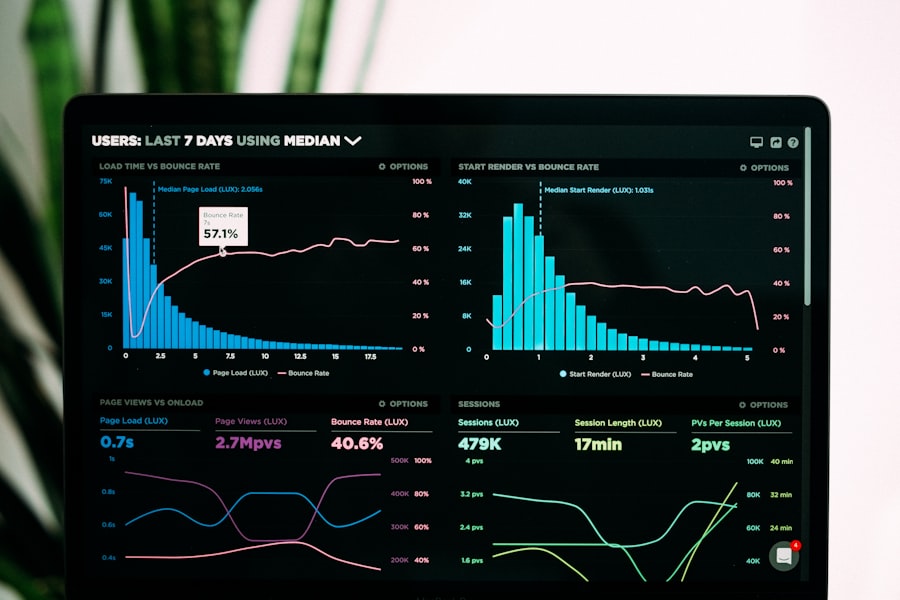
Monitoring Core Web Vitals in real-user data using Chrome UX Report and Google Search Console.
Audit your INP scores in Google Search Console under the “Core Web Vitals” report, then cross-reference with Chrome UX Report data. Common culprits: heavy JavaScript execution, render-blocking third-party scripts, and unoptimized event handlers. Fixing INP often requires working with your dev team directly on JavaScript optimization.
3. Optimize for AI Overviews (AIO) — Without Sacrificing Clicks
Google’s AI Overviews appear for an estimated 15–20% of search queries and are increasingly visible on informational and comparison searches. While they reduce click-through rates on some queries, they also present a new opportunity: being cited as a source within the AIO is a powerful brand signal and still drives meaningful traffic.
To optimize for AIO citations: use structured, scannable content with clear H2/H3 hierarchy, provide concise definitions and direct answers near the top of your content, implement FAQ schema, and ensure your E-E-A-T signals are strong. Sites with high domain authority and verifiable author credentials are significantly more likely to be cited.
4. Build Real E-E-A-T — Experience, Expertise, Authoritativeness, Trust
E-E-A-T (Experience, Expertise, Authoritativeness, Trustworthiness) isn’t a direct ranking factor — it’s a quality framework Google’s raters use to evaluate content. But it heavily influences which signals Google’s algorithms prioritize. In 2025, demonstrating real-world experience is non-negotiable.
- Add first-hand experience and original data to your content wherever possible
- Create detailed author bio pages with verifiable credentials and external references
- Earn mentions and links from established publications in your industry
- Display trust signals: reviews, certifications, case studies, client logos
- Keep your About, Contact, and Privacy pages thorough and up to date
5. Content Refresh Over New Content Creation
One of the highest-ROI SEO activities in 2025 is refreshing existing content rather than publishing new articles. Pages that ranked well 12–24 months ago and have since decayed often need just a structured update to reclaim their positions — and sometimes exceed them.
A solid refresh process involves: auditing your existing content for keyword drift, updating statistics and data, improving content depth and structure, adding media, refining the title tag and meta description, and building 2–3 new internal links to the refreshed page. Republish with an updated date and resubmit in Google Search Console.
6. Digital PR for Link Acquisition
The link-building playbook has narrowed significantly. Cold outreach for guest posts is barely viable. What’s working: data-led stories, original research, and genuinely newsworthy angles pitched to journalists and publishers who cover your industry. A single well-executed digital PR campaign can earn 20–50 high-authority links in a matter of weeks.