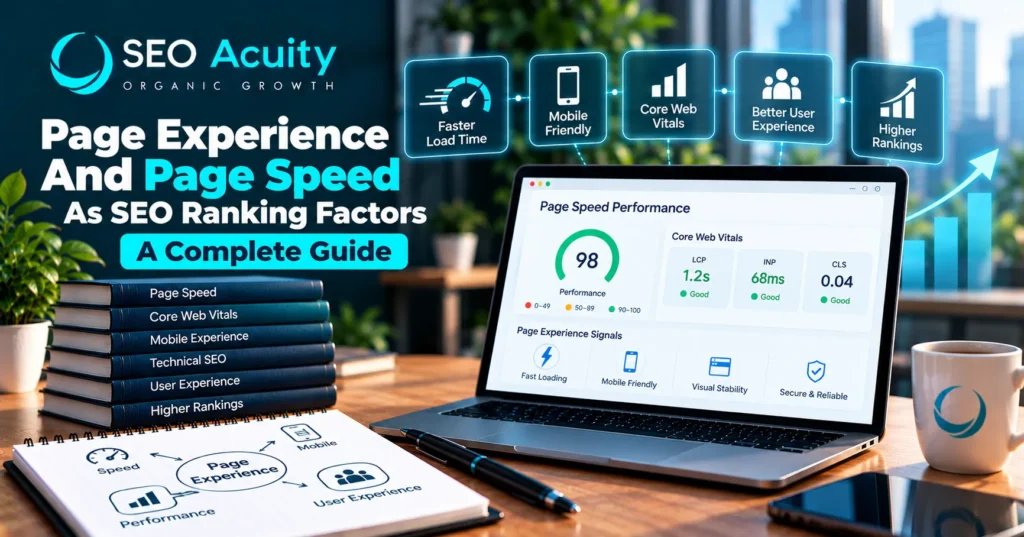
Page speed and page experience have moved from being minor technical details to two of the most direct signals search engines use when ranking a website.
A slow, unstable page can quietly undermine even strong content and a solid backlink profile, simply by pushing visitors away before they engage.
Understanding how these two factors work, and how Google evaluates them, makes it easier to prioritize the technical fixes that actually move the needle on rankings.
This article breaks both down in practical terms, along with how they connect to the rest of SEO.
This article covers:
- What page experience SEO and page speed actually mean as ranking signals.
- Why Google treats page speed as a direct ranking factor, including the 2018 mobile speed update.
- What Core Web Vitals measure and why page experience affects SEO.
- The specific impact of page speed on news SEO and time-sensitive content.
- Practical steps for optimizing page speed for improved SEO performance.
- How page speed and experience interact with content quality, links, and other ranking factors.
What Are Page Experience and Page Speed in SEO?
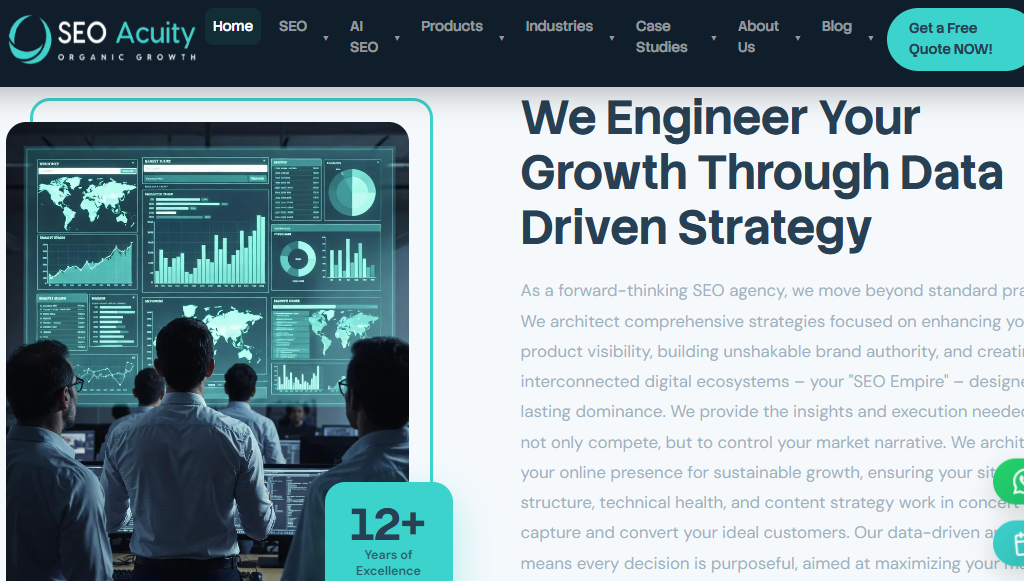
SEO page experience and page speed are two closely related, but distinct, ranking signals. Page speed refers specifically to how quickly a page loads and becomes usable.
Page experience is broader it covers how a visitor feels while using a page overall, including load time, visual stability while the page renders, and how easy the page is to interact with on any device.
Together, page experience SEO and page speed are considered direct and immediate factors in how search engines rank websites in search results, because they reflect the actual quality of a visit rather than just the relevance of the content.
Why Page Speed Matters for SEO
Page speed affects SEO in more than one way: it shapes how visitors experience a page, and it factors directly into how search engines evaluate that page against competing results.
The sections below break down both sides of that impact.
1. Supporting a Better User Experience
Fast-loading pages prevent visitors from losing interest and reduce bounce rate the percentage of visitors who leave a site immediately after arriving.
A page that takes too long to load creates friction before a visitor even reaches the content, which directly works against the goal of keeping them engaged.
Read also: Most Important SEO Ranking Factors
2. A Core Google Page Speed Ranking Factor for SEO
Search engine algorithms, including Google’s, favor websites that open quickly, since delivering fast results is part of providing a good search experience overall.
The Google page speed ranking factor SEO teams track most closely has been cited as one of the leading signals for years, precisely because Google wants to improve the web experience for users, and fast-loading pages help achieve that.
In short, page speed functions as a page speed ranking factor SEO teams need to actively manage rather than treat as a one-time technical fix.
3. The Mobile Speed Update
Google announced a search algorithm update focused specifically on mobile page speed, which began affecting rankings starting in July 2018.
If a website doesn’t load quickly on mobile devices, the losses can be significant: the slower a site loads, the more visitors and potential revenue it stands to lose, since a large share of search traffic now comes from mobile devices.
Read also: Seo For Brand Visibility – A Complete Guide

4. Common Ways to Improve Page Speed
Page speed improvements don’t require a full rebuild — often, a handful of targeted fixes can make a measurable difference. Here are the most common ones worth prioritizing.
- Compressing images without significantly reducing their quality.
- Reducing the size of CSS and JavaScript files, often referred to as minification.
- Using browser caching so returning visitors don’t have to reload every asset.
- Using a content delivery network (CDN) to serve content from servers closer to the visitor.
5. The Impact of Page Speed on News SEO
The impact of page speed on news SEO is especially pronounced, since news publishers depend on fresh content being crawled, indexed, and surfaced in search results as quickly as possible after publication.
A slow-loading article can delay how quickly Google’s crawlers process it, which matters most in the narrow window when a story is still timely. For news sites, page speed isn’t only a user-experience factor it directly affects whether time-sensitive content has a real chance of appearing in search results while it’s still relevant.
Read also: 5 Seo Marketing Tips – How To Boosting Your Website’s Performance
Ready to Dominate Search Engine Rankings?
Accelerate your organic growth and scale your business leads with our data-driven SEO strategies.
Get a Free Quote NOW!Why Page Experience Affects SEO
Page experience looks beyond raw load time to how a page actually behaves once a visitor is on it. Search engines evaluate this through a few specific signals, covered below.
1. Core Web Vitals
Core Web Vitals are a set of specific metrics Google uses to measure page experience. They evaluate loading speed, visual interactivity, and how stable a page remains while it loads for example, whether buttons or text shift position unexpectedly as other elements finish loading.
These metrics give search engines a more precise, measurable way to judge the quality of a page beyond just its content. They generally break down into three areas:
- Loading performance — how long it takes for the main content of a page to become visible.
- Interactivity — how quickly a page responds once a visitor tries to click, tap, or scroll.
- Visual stability — whether elements on the page stay in place as it finishes loading, rather than shifting unexpectedly and causing accidental clicks.
A page can score well on one of these areas and still create a poor experience overall if the other two are weak, which is why Google evaluates them together rather than in isolation.
2. Mobile Compatibility
Since most visitors now browse on smartphones, a website’s ability to display properly and function smoothly across all screen sizes has become a basic requirement for ranking well, not just a nice-to-have.
A page that looks and works well on desktop but breaks on mobile is treated as a weaker experience overall.
3. Easy Navigation
A page that is free of intrusive or disruptive ads and makes information easy to find increases a website’s overall trustworthiness in the eyes of both visitors and search engines.
Clear navigation and a logical page structure help visitors reach what they’re looking for without unnecessary friction.
How Speed and Experience Fit Into Ranking
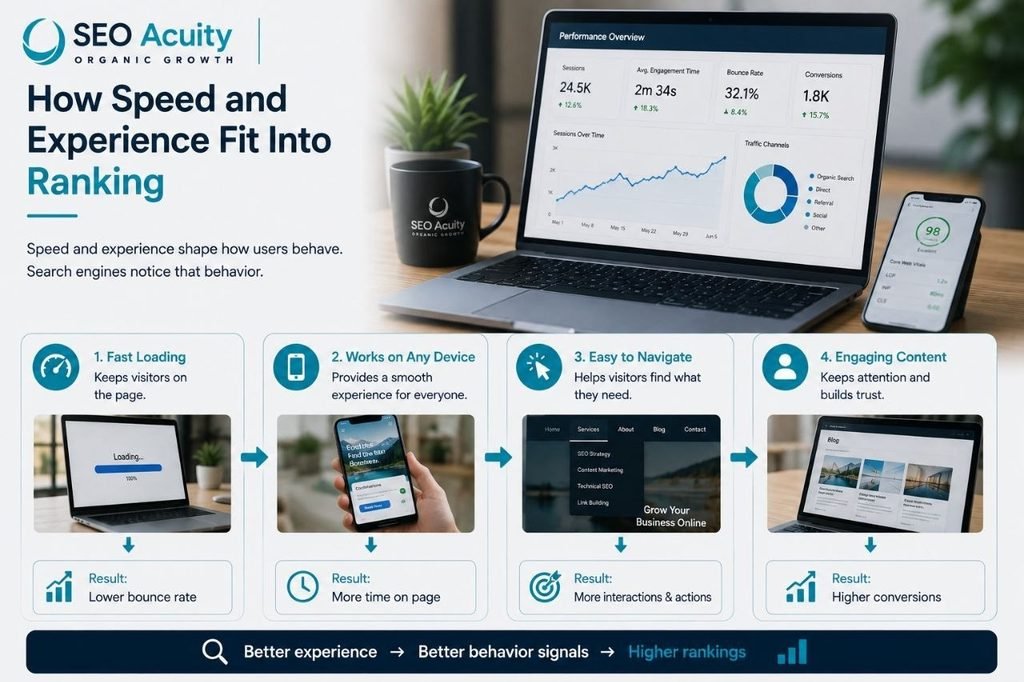
Speed and experience don’t influence rankings directly on their own they work by shaping how visitors actually behave once they land on a page, and search engines pick up on that behavior.
A page that loads quickly, works well on any device, is easy to navigate, and keeps a visitor’s attention tends to produce longer visits, fewer immediate exits, and more completed actions, all of which feed back into how that page is evaluated against competing results.
The four factors below break down exactly how each piece of that experience translates into a measurable outcome.
Speed
The faster a page loads, the more likely a visitor is to stay long enough to see what it actually offers. Every additional second of load time is a point at which a visitor can decide to leave, especially on mobile connections where patience for a stalled page is lower.
Delays don’t just cost you a single visit they cost you the potential customer that visit represented, and they reduce how much that person engages with your content in the rare cases they do stick around.
Over enough visits, this adds up to a measurable gap in conversions compared to a faster competing page.
Compatibility
A website needs to work smoothly across every device a visitor might use to reach it, but mobile phones deserve particular attention since they now account for the majority of search traffic.
A responsive design that adapts layout, text size, and tap targets to the screen it’s on increases user satisfaction and lowers exit rates, because visitors aren’t forced to pinch, zoom, or scroll sideways to read basic content.
A page that looks polished on a desktop monitor but breaks on a phone effectively presents two different experiences, and search engines weigh the mobile one more heavily.
Clarity
Organizing pages simply, with a predictable structure and clear headings, helps visitors reach what they want without having to think about how the page is put together.
Making it easy to move between sections through logical menus, internal links, and a sensible reading order keeps visitors engaged with the site for longer, because each step forward feels obvious rather than effortful.
A cluttered or inconsistent layout, by contrast, adds a small amount of friction to every action, and that friction compounds the longer a visitor stays.
Focus
Every element on a page should serve the visitor’s goal, whether that’s reading an article, comparing products, or requesting a quote.
Reducing distracting elements intrusive pop-ups, auto-playing media, unrelated banners helps visitors stay focused on that goal and increases the likelihood that they’ll take a meaningful action before leaving.
A page that competes with itself for attention tends to convert worse even when its core content is strong, simply because visitors disengage before reaching it.
Ready to Dominate Search Engine Rankings?
Accelerate your organic growth and scale your business leads with our data-driven SEO strategies.
Get a Free Quote NOW!Why This Matters Beyond Rankings
It’s worth separating two related but different outcomes: rankings and revenue. Page speed and page experience influence rankings indirectly, mainly through user behavior signals like bounce rate and engagement, rather than acting as a single guaranteed boost.
But their effect on revenue can be more direct. A visitor who abandons a slow-loading page before it finishes rendering never sees the offer, the product, or the content that page was built to deliver regardless of how well that page might otherwise rank.
In that sense, page speed and experience protect the value of every other SEO effort by making sure visitors who do arrive actually stay long enough to engage.
This is also becoming more relevant as search itself evolves beyond traditional results pages. Read also: Organic Growth Strategy to Win at AI Search and SEO vs. AI Visibility, which look at how organic visibility is shifting as AI-driven search experiences become more common.
Watch: How page experience fits into modern SEO.
Optimizing Page Speed for Improved SEO Performance
Page load speed is a meaningful ranking factor because it directly affects user experience. Pages that load quickly reduce bounce rate and keep visitors engaged for longer.
Techniques such as image compression, code optimization, and using content delivery networks (CDNs) can meaningfully improve page speed.
Site performance and page speed directly affect both user experience and SEO rankings. Tools such as Google PageSpeed Insights can help identify and fix issues that slow down page load times. Techniques like compression, image optimization, and reducing the size of CSS and JavaScript files all contribute to faster-loading pages.
Taken together, these steps make up what’s typically meant by optimizing page speed for improved SEO performance: a repeatable technical process rather than a single one-time change.
Identifying these issues usually starts with a structured review of the site rather than guesswork. Read also: What Is an SEO Audit? and Why Are SEO Audits Important? for a closer look at how that review process works.
Watch A Real Of SEO Acuity.
Practical Steps to Improve Search Rankings
Page speed and page experience work best as part of a broader, coordinated approach to SEO. Here are the practical steps that typically support stronger search visibility:
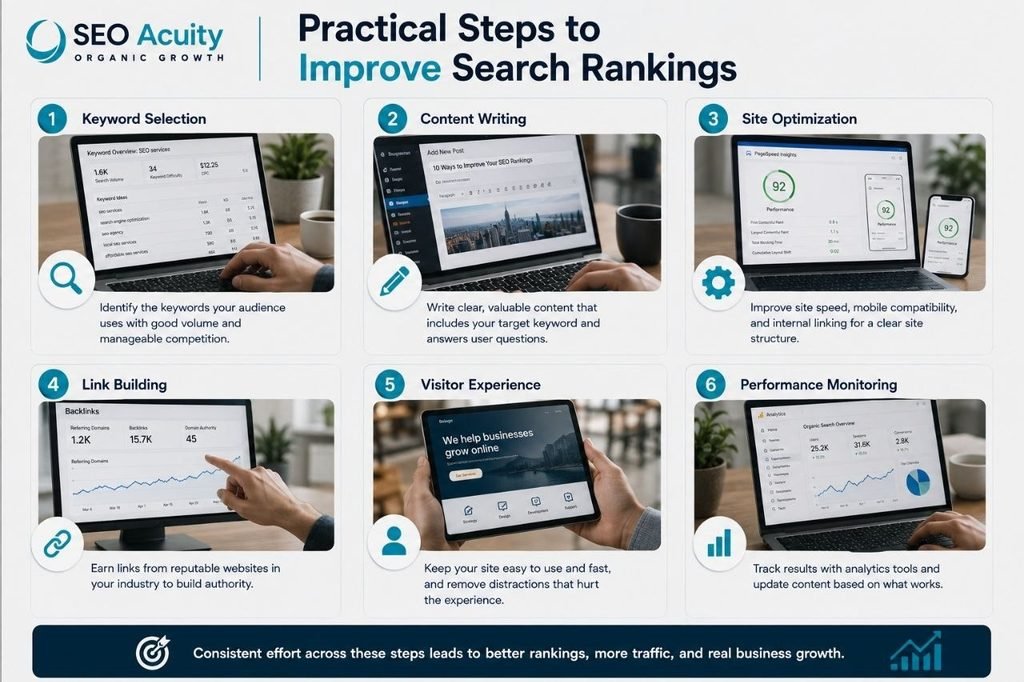
1. Keyword Selection
Start by identifying the keywords your audience actually uses to search for your services, focusing on terms with solid search volume and moderate competition.
2. Content Writing
Create clear, useful content that includes your target keyword naturally and directly answers the questions your customers are asking.
3. Site Optimization
Improve site speed, confirm mobile compatibility, and organize internal links in a clear, logical structure.
4. Link Building
Earn links from trustworthy websites in your industry to strengthen your site’s credibility with search engines.
5. Visitor Experience
Keep your site easy to use and fast, and reduce distracting elements that pull attention away from what visitors came for.
6. Performance Monitoring
Use analytics tools to track results over time and update content as needed based on what’s actually working.
These steps apply whether you’re running a small local site or a larger operation, though the priorities can shift depending on scale. Read also: Small Business SEO.
Other Key Ranking Factors Alongside Speed and Experience
While page speed and page experience are direct and immediate ranking factors, they work alongside several other core elements of SEO, and none of them functions as a substitute for the others.
A technically fast, well-behaved page still needs relevant, well-written content to answer the searcher’s query, just as strong content still needs a credible link profile to compete against established pages targeting the same terms.
Treating speed and experience as the whole of an SEO strategy, rather than one part of it, tends to produce diminishing returns once the obvious technical issues have already been fixed.
Content Quality
One of the most important ranking factors is providing original, useful, and direct content that answers the questions your audience is actually asking.
Mobile Compatibility
Most visitors now browse using smartphones. A responsive design that displays content correctly across all screen sizes has become a core part of attracting real customers through search.
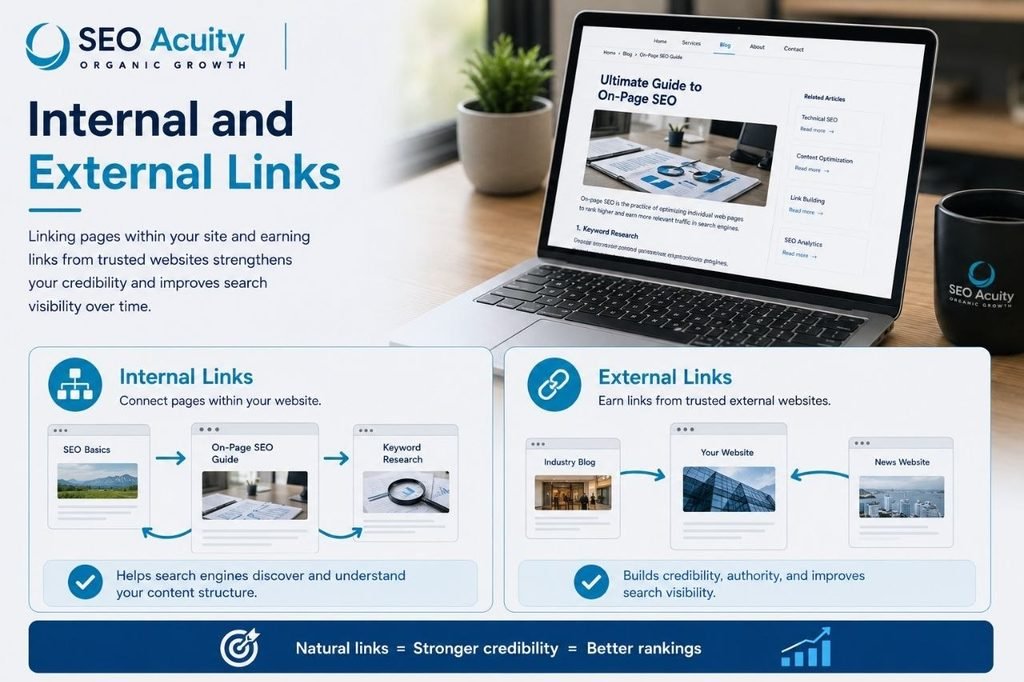
Internal and External Links
Linking pages within your own site to one another, along with earning links from trustworthy external sites, strengthens your credibility. This remains one of the most natural and sustainable ways to improve search visibility over time.
Title and Meta Description Optimization
Writing a compelling title and an accurate description for each page helps increase click-through rate from search results. This, in turn, increases engagement with your site and supports its overall presence in the digital market.
How Page Speed and Experience Interact With These Other Factors
None of these ranking factors work in a vacuum. A page with excellent content but a slow load time can still lose visitors before that content is ever read. A page that loads instantly but offers thin or irrelevant content won’t hold a visitor’s attention either, even if the technical experience is smooth.
Strong internal linking can guide visitors deeper into a site, but only if each page they land on loads quickly enough to keep them there.
In practice, page speed and page experience act as a multiplier on the other ranking factors they don’t replace strong content or a solid link profile, but they determine how much of that other work actually gets seen and used by real visitors.
Ready to Dominate Search Engine Rankings?
Accelerate your organic growth and scale your business leads with our data-driven SEO strategies.
Get a Free Quote NOW!About SEO Acuity
SEO Acuity works with businesses on the technical, on-page, and off-page sides of SEO, including the kind of page speed and page experience improvements covered in this article.
Rather than treating these as a one-off fix, the approach centers on a structured review of a site’s current performance, followed by prioritized, measurable changes. Businesses that want a clearer picture of where their own site stands can start with a Free SEO Quote.
Related SEO Services
Page speed and page experience are usually addressed alongside these related areas of SEO work:
- SEO Audit Services
- On-Page SEO Services
- Off-Page SEO Services
- Technical SEO Services
- Programmatic SEO Services
- Arabic SEO Services
- Ecommerce SEO Services
- Enterprise SEO Services
- SEO Services for Startups

Conclusion
Page experience and page speed are no longer secondary technical details they are core, measurable ranking factors that directly affect how a website performs in search results.
The impact of improved page speed on SEO performance shows up most clearly through lower bounce rates, longer visit durations, and better crawl and indexing timelines, especially for time-sensitive content.
A fast, stable, mobile-friendly page keeps visitors engaged and signals quality to search engines, while a slow or unstable one works against every other SEO effort, no matter how strong the content is.
Improving these factors alongside content quality, mobile compatibility, and a solid link profile gives a website the best chance of ranking well and holding that position over time.
Frequently Asked Questions
Why is page speed considered an SEO ranking factor?
Search engines prioritize delivering a good user experience, and fast-loading pages are a core part of that. Google has cited page speed as a leading ranking factor for years, and it became an official mobile ranking signal starting in July 2018.
Why does page experience affect SEO?
Search engines evaluate more than just content relevance they also factor in how usable a page is once a visitor lands on it.
A page that loads slowly, shifts around while rendering, or is hard to use on mobile creates a weaker experience, which can lead to higher bounce rates and lower engagement, both of which search engines take into account.
What is the impact of page speed on news SEO specifically?
For news publishers, page speed affects how quickly new articles can be crawled and indexed, which matters most while a story is still current.
A delay in crawling caused by slow-loading pages can mean a time-sensitive article misses its narrow window of relevance in search results.
What are Core Web Vitals?
Core Web Vitals are a set of metrics Google uses to measure page experience, covering loading speed, visual interactivity, and how stable a page remains while it loads.
How does page speed affect bounce rate?
Slow-loading pages tend to lose visitors before they even see the content, which increases bounce rate. Faster pages keep visitors engaged and reduce the likelihood they’ll leave immediately.
What tools can I use to check my page speed?
Tools such as Google PageSpeed Insights can identify specific issues slowing down a page and suggest fixes, such as compressing images or reducing the size of CSS and JavaScript files.
Is mobile page speed treated differently from desktop?
Yes. Google’s mobile speed update, which began affecting rankings in July 2018, specifically targets how quickly pages load on mobile devices, given how much search traffic now comes from smartphones.
Do page speed and page experience matter more than content quality?
No single factor works in isolation. Content quality remains essential, but a page that loads slowly or feels unstable can undermine even strong content by pushing visitors away before they engage with it.
How can I start improving my site’s page speed and experience?
Common starting points include compressing images, minifying CSS and JavaScript, using a CDN, and confirming the site works smoothly on mobile devices. A technical review can help prioritize which fixes will have the biggest impact.
Want a clearer picture of how your site’s page speed and experience are affecting your rankings? SEO Acuity can help you review it start with a Free SEO Quote.